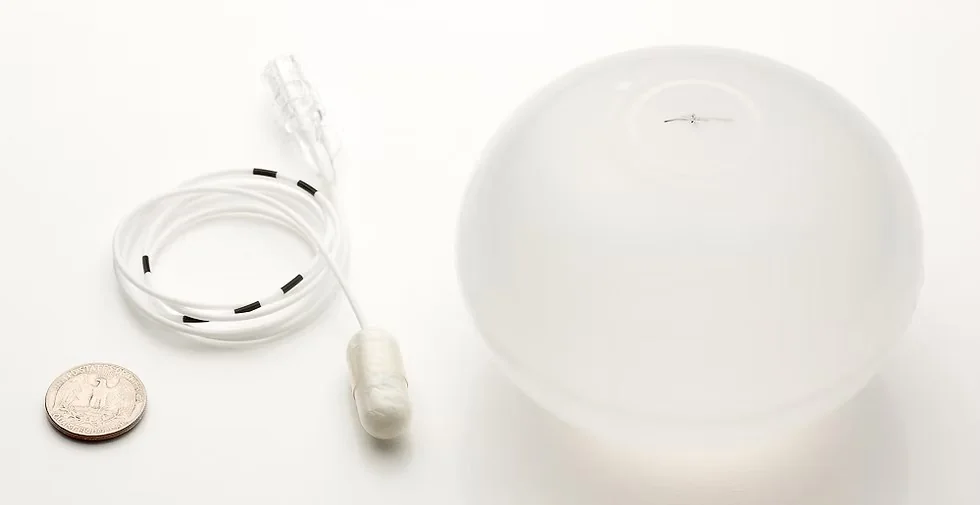
On April 1, 2026, the Allurion Swallowable Gastric Balloon System — the only gastric balloon that can be placed without endoscopy and without anesthesia — was used in mainland China outside Hainan for the first time, at Foshan Chancheng Hospital. The patient swallowed the folded balloon as she would any capsule. Fifteen minutes later, the procedure was finished, and she went home the same day.
The device reaches Foshan under the Hong Kong and Macao Medicine and Equipment Connect policy, which allows designated hospitals in the Greater Bay Area to use medicines and medical devices approved in Hong Kong or Macao. For patients living with obesity in Guangdong, it removes a journey that until now meant travelling abroad or waiting for mainland registration.
A Balloon the Size of a Capsule
Folded, the Allurion balloon sits inside a capsule small enough to swallow with a glass of water. An X-ray confirms when it has reached the stomach. A thin catheter is then used to fill it with a specially prepared liquid until it occupies part of the stomach, and the catheter is withdrawn. There is no incision, no general anesthesia and no hospital stay.
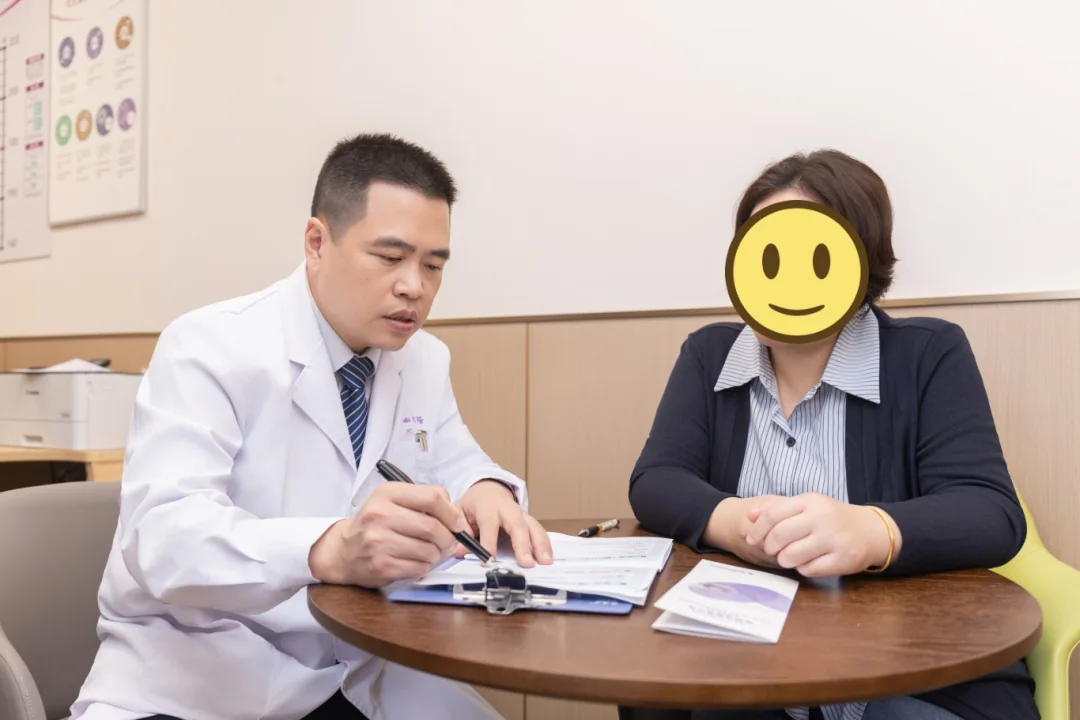
The treatment was carried out by the Gastroenterology Department at Foshan Chancheng Hospital, led by Director Wu Ji. For a hospital that already treats a large volume of metabolic and digestive disease, the interest is less in the novelty than in what it fills: the space between dieting that patients cannot sustain and surgery that permanently changes their anatomy.
Fifteen Minutes, After Years of Trying
Ms. Li, 43, had been living with obesity for years. At 162 cm and around 80 kg, her BMI was 30.48 kg/m² — inside the clinical definition of obesity. She had cut calories hard enough to feel dizzy and weak, and regained the weight the moment she ate normally again, sometimes more than she had lost. She bought a gym membership and pushed through intensive training until work and exhaustion ended it within a week.
Acupuncture, physical therapy and several weight-loss medications followed. Some made little difference; others raised concerns about side effects. Each attempt ended in the same loop: lose weight, regain it, begin again.
"Doing it on willpower alone was too hard," she said. "Every time I started with real hope, and every time it fell through."
What she heard about the swallowable balloon was different in kind: no surgery, no anesthesia, none of the risks of an operation, and none of the hardship of extreme dieting. She came in for assessment and decided to go ahead.
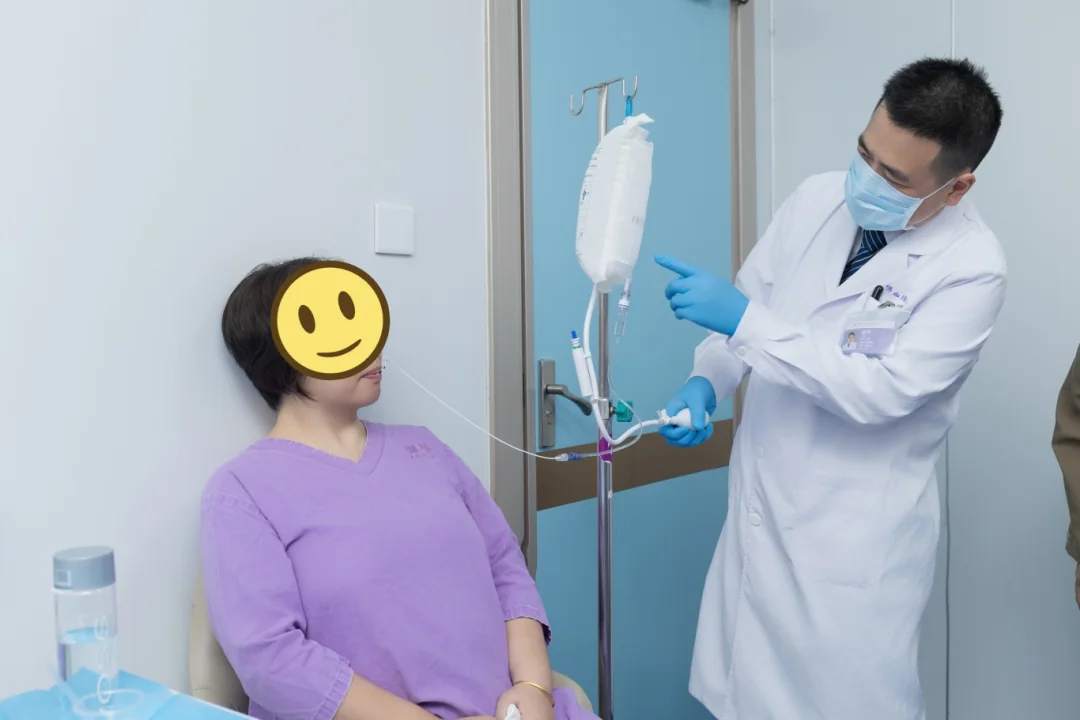
She remained seated throughout. She swallowed the capsule with warm water, the team confirmed its position on X-ray, and the balloon was filled through the catheter until it reached its working volume. The whole procedure took about 15 minutes. She felt no significant discomfort, was observed for a few hours, and left hospital the same day.
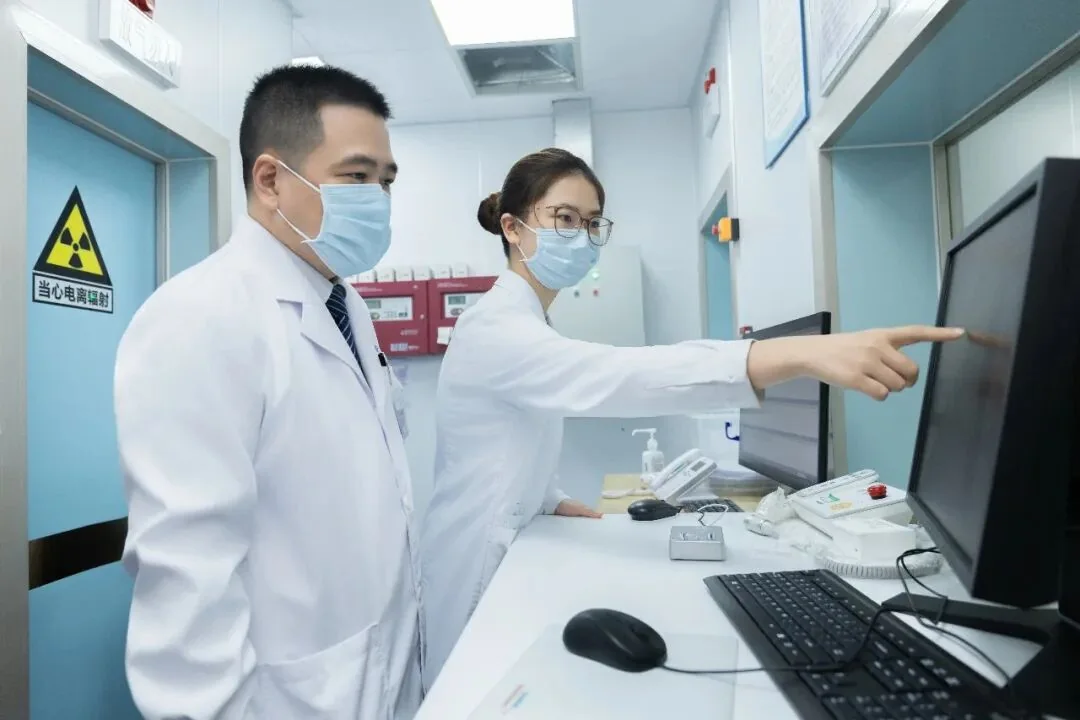
"It was easier than I expected — it really felt like swallowing an ordinary capsule," she said. "No pain, almost no burden. Before I knew it, it was finished." She has since committed to the nutrition and exercise plan her team set out, treating the four months as a chance to rebuild habits rather than a course to sit through.
How the Balloon Works
No surgery, no anesthesia, 15 minutes
Placement requires no endoscopy and no anesthesia, so it can be done in an outpatient room rather than an operating theatre. That lowers both the clinical threshold and the psychological one: for patients who have ruled out surgery because of anesthesia risk or the irreversibility of resection, it is an option that does not ask them to accept either.
Out of the body after about 16 weeks
Once filled, the balloon occupies part of the stomach and slows gastric emptying. Patients feel full sooner and eat less without weighing every meal. It stays in place for roughly 16 weeks — about four months — after which the valve opens automatically, the liquid drains away and the deflated balloon passes naturally through the digestive tract. No second endoscopy is needed to remove it, and the treatment is fully reversible.
Weight loss, and metabolic change
The system has been used in more than 200,000 cases across over 60 countries and regions. Recent international multicentre studies report average total body weight loss of about 10% to 15% after four months, together with measurable improvement in HDL cholesterol, triglycerides and blood glucose.
It is intended for people with a BMI of 27 kg/m² or above who want a non-surgical route to medically supervised weight loss. It is not a substitute for assessment: a physician still needs to confirm that the treatment is appropriate, and to rule out the conditions that make any gastric balloon unsuitable.
Will the Weight Come Back?
Director Wu Ji is direct about this. The balloon is a walking stick, not a cure. It helps patients establish better eating behaviour while it is in place, and the results that last are the ones built on the nutrition and lifestyle habits that continue after it has gone.
For that reason, every patient treated with the balloon at Foshan Chancheng Hospital enters a full-cycle weight-management programme run by the hospital's medical weight-management centre. Five kinds of specialist work on the same case: a physician, a dietitian, an exercise specialist, a psychological counsellor and a health management specialist — a model the hospital calls Five-Specialist Co-Management.
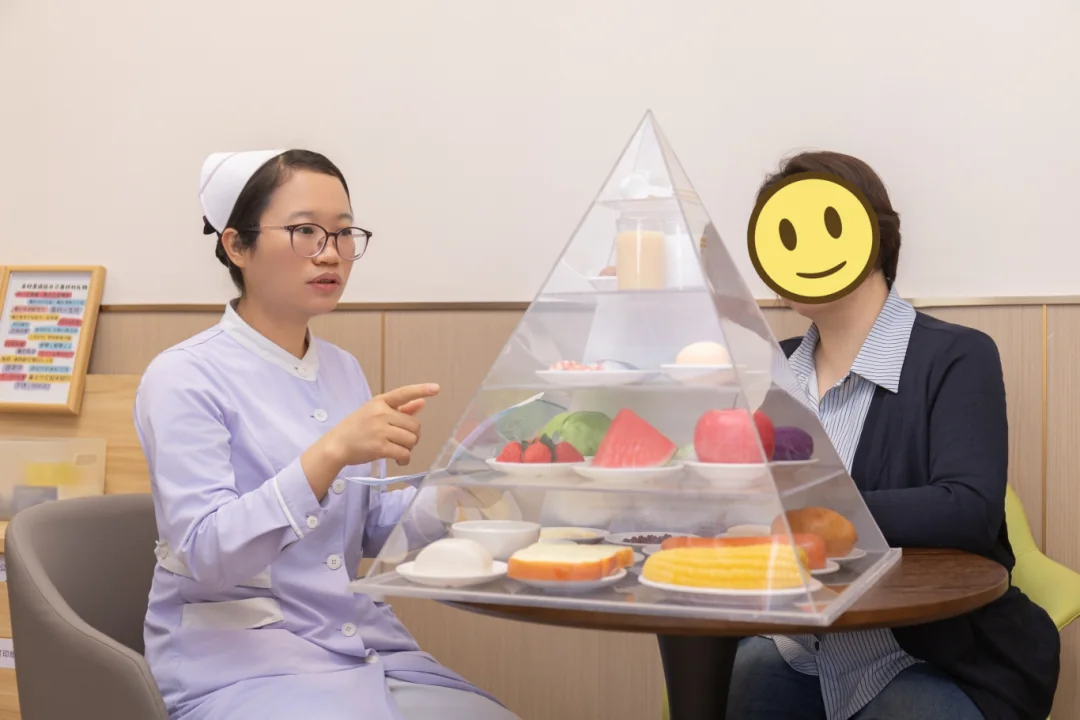
Patients receive individual dietary guidance, exercise prescriptions, psychological support and ongoing monitoring through the whole course. The target is not only the weight lost in four months, but the habits that decide whether it stays off in the years afterwards.
Global Devices, Closer to Home
Foshan Chancheng Hospital is one of the first designated institutions in Foshan under the Hong Kong and Macao Medicine and Equipment Connect policy. To date it has introduced more than 50 innovative international medicines and devices, covering hypertension, coronary heart disease, joint regeneration, osteoporosis, migraine and dry eye disease, and has served more than 1,600 patient visits.
The policy matters most for treatments that are approved and routine elsewhere but not yet registered on the mainland. It shortens the distance between a patient in the Greater Bay Area and a device that could help them — in this case, from a flight to another country down to a 15-minute outpatient appointment.
Living with obesity and unsure where to start? Our team can arrange a weight-management assessment in Foshan, including whether the swallowable gastric balloon is suitable for you.