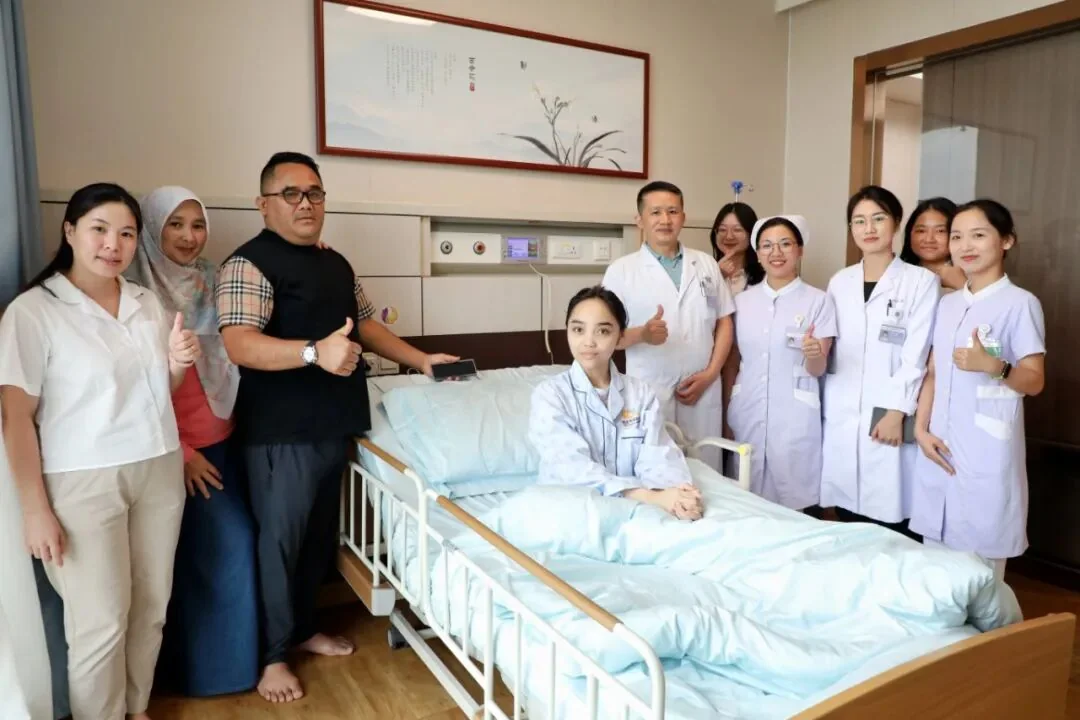
For patients who travel across the world for care, the hardest part is rarely the flight. It is the unfamiliar surroundings, the language barrier, and the uncertainty of not knowing what is wrong.
Salsabilla was 21 and had just been crowned Miss Teen of the Universe Indonesia 2024 and Miss Grand Tourism Indonesia 2024 when her health stopped her life. Severe knee pain, facial swelling that arrived every morning, and an unrelenting dryness in her mouth and eyes left her unable to walk on her own. She needed a wheelchair. She had sought treatment in Indonesia without improvement, and hope was running short.
Arriving Without Having to Ask
The international team at Foshan Chancheng Hospital built the route before she travelled: an online consultation first, then visa assistance, then an airport pickup and admission arranged in advance. By the time she landed, the logistics that usually overwhelm a patient arriving alone had already been settled.
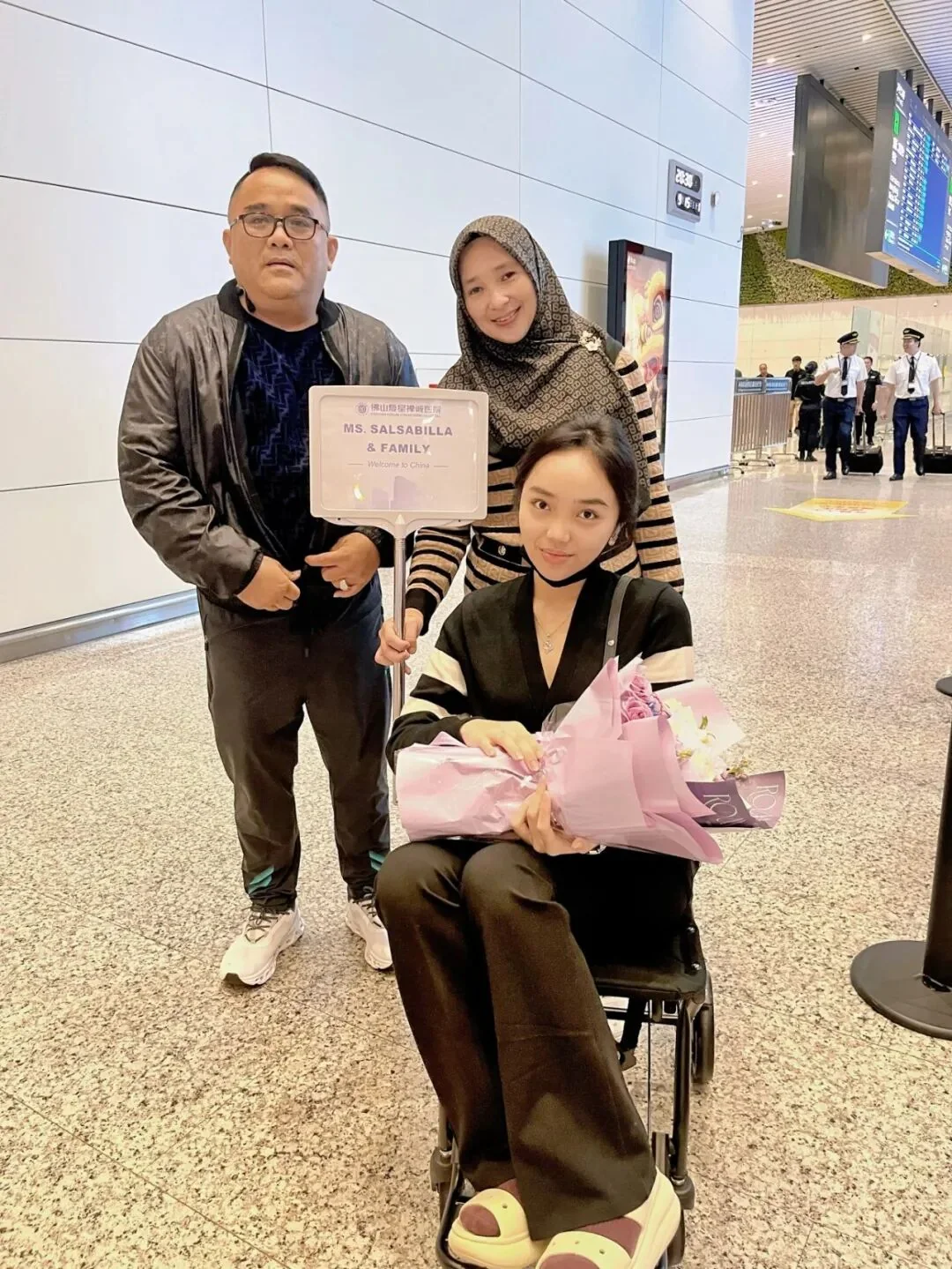
Her room had been prepared before she reached it, and the meals that arrived were halal. That detail did more than any brochure could: it told her that the hospital had thought about who she was before she had to explain it. The anxiety of seeking care in a foreign country began to settle.
A Diagnosis Found in the Details
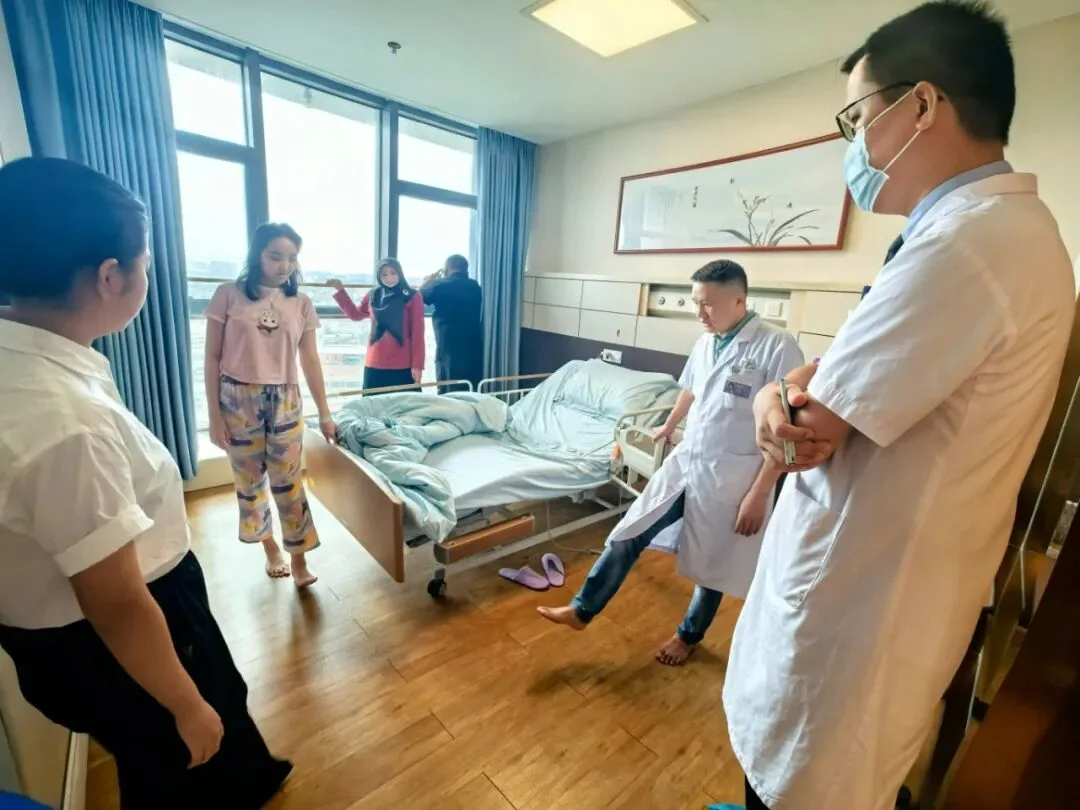
Her symptoms were varied and atypical — closer to a jumbled puzzle than to a textbook case. The hospital responded by assembling a multidisciplinary team across rheumatology and immunology, gastroenterology and oral medicine, on the principle that the answer would be found in the details rather than in the obvious.
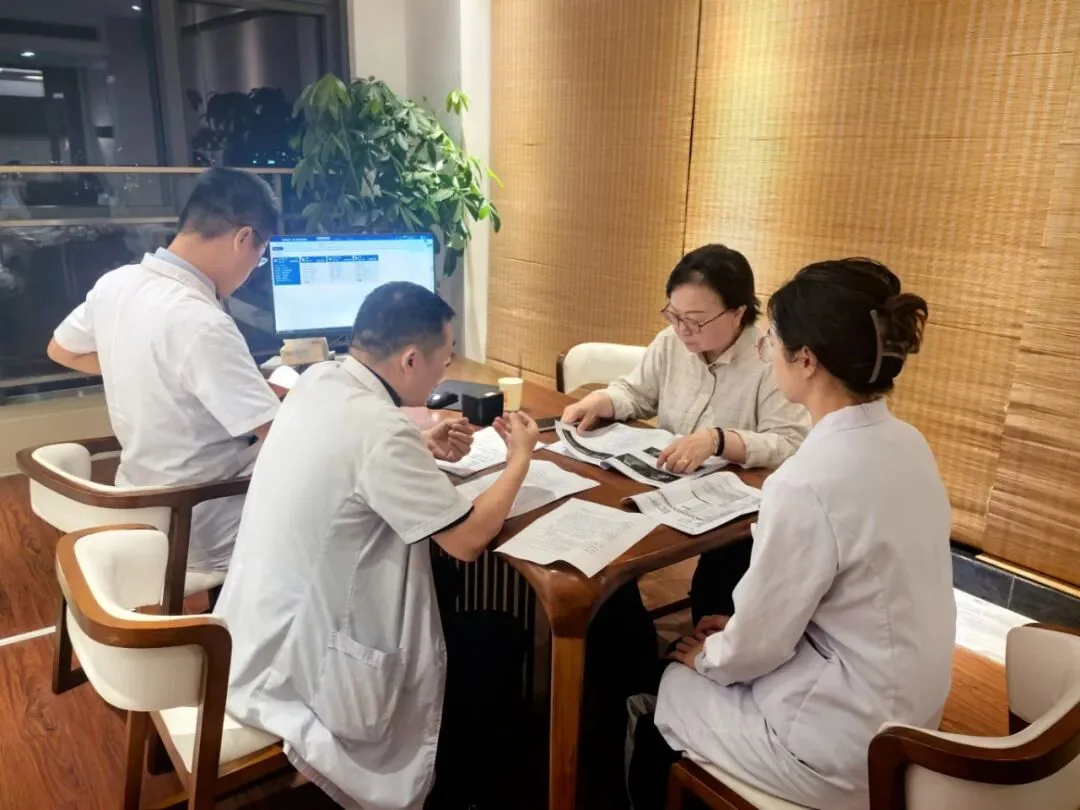
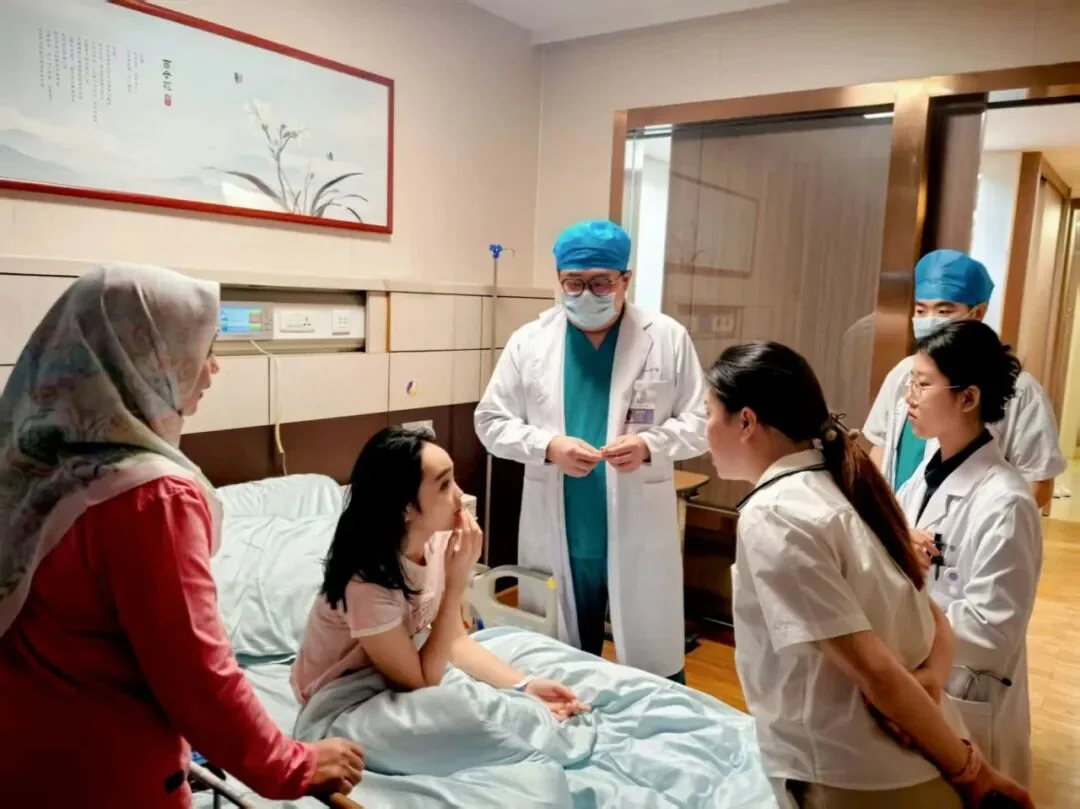
During a careful history, Dr. Guo Zishi, a rheumatologist, picked up one detail that changed the direction of the case: the patient mentioned that sunlight made her symptoms worse. Read alongside the laboratory results, that clue pointed to atypical systemic lupus erythematosus. The team also identified gastroesophageal reflux disease, which had been contributing to her discomfort.
A diagnosis changed what treatment could do. The team built a plan around her specific case: medication to regulate the immune response and control disease activity, targeted treatment for the joint pain, mouth ulcers and stomach symptoms one by one, and evidence-based guidance on daily life to support recovery rather than merely accompany it.
Care That Made Room for Her Faith
If precise diagnosis is the foundation of recovery, the way a patient is treated is what makes it bearable. A prayer mat was placed in her room, so that her religious practice did not have to be negotiated with her care. Interpreters and the international patient team stayed with her throughout, so that communication never became a barrier. And the staff kept offering what no prescription contains: a smile, and encouragement on the days that were harder than others.
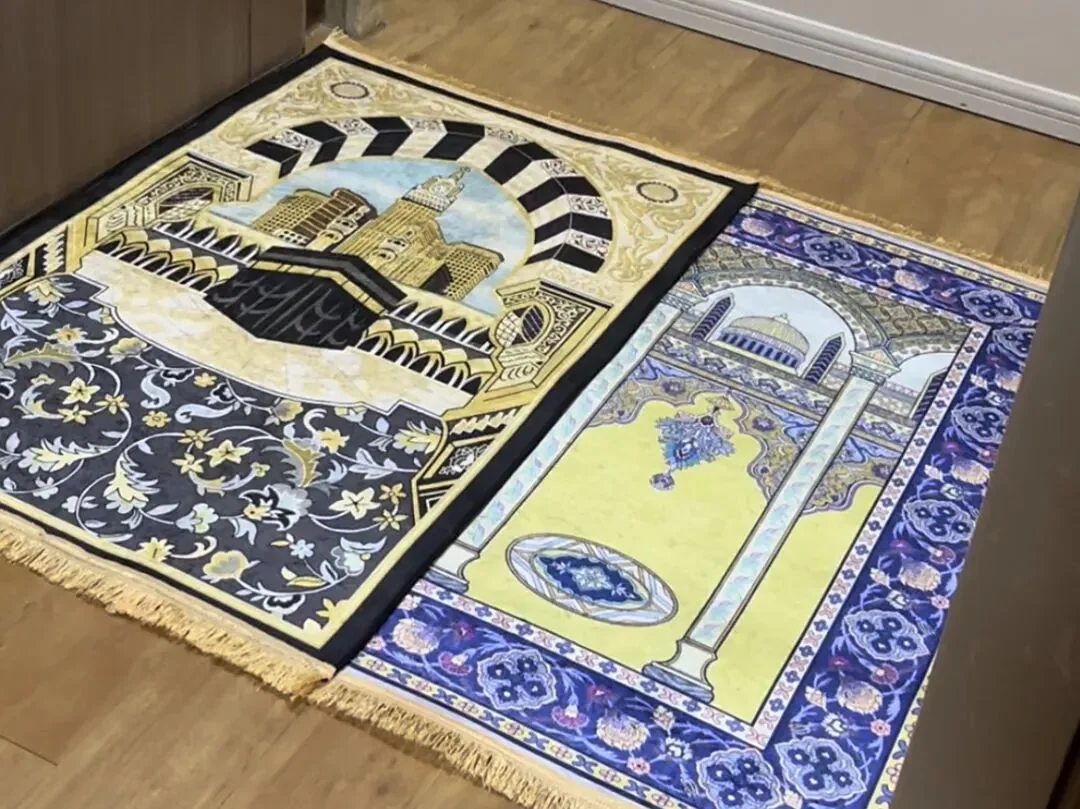
"These small things meant a great deal to me," she said.
From Dragging Her Feet to Walking Steady
The change showed first in her body. She no longer had to drag her feet to move; she could walk slowly and steadily on her own. Physical recovery brought its own kind of relief, and with it a verdict on the whole experience: the medical expertise, the facilities and the respectful, attentive staff had gone well beyond what she had expected.
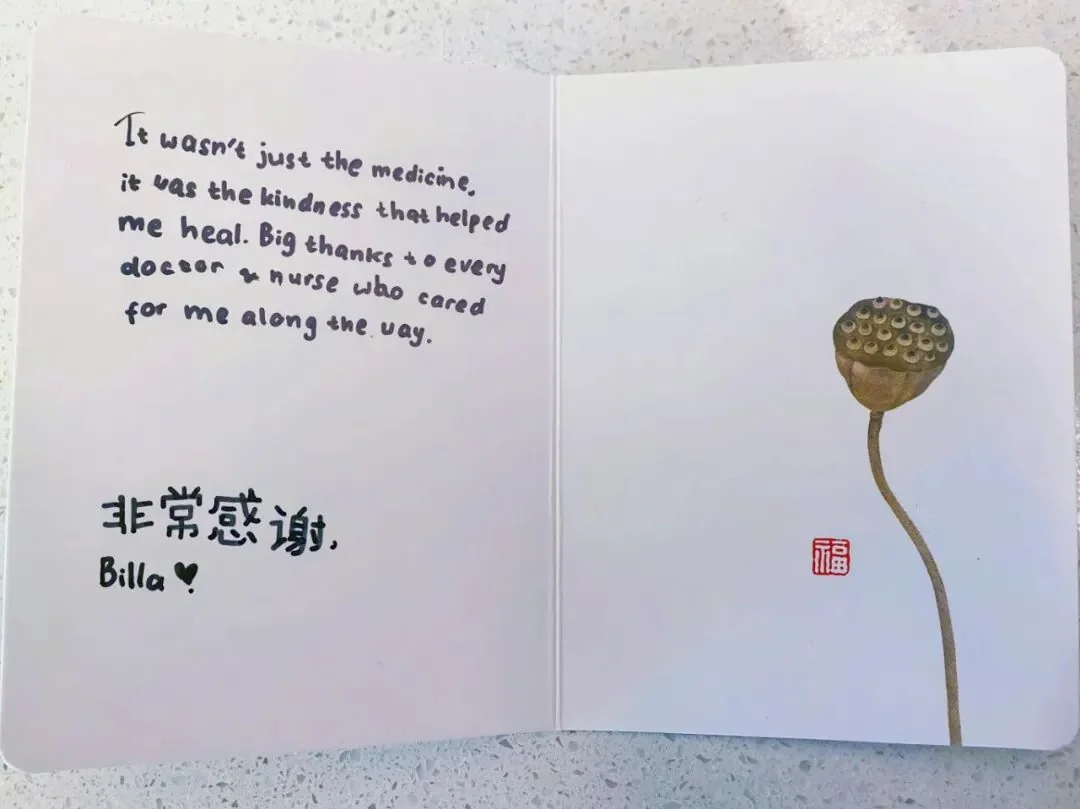
Before she left, she wrote a note by hand to the team. It read: "It wasn't just the medicine, it was the kindness that helped me heal."
Why the Small Details Decide the Diagnosis
Atypical lupus is easy to miss precisely because it does not arrive in the shape clinicians expect. Joint pain, facial swelling, dry mouth and dry eyes sit in four different specialties, and a patient seen one department at a time can accumulate four partial explanations and still have no diagnosis. What moved this case forward was a single detail the patient volunteered — that sunlight made things worse — read by a team already holding the whole picture.
For patients coming from abroad, the practical lesson is twofold. First, bring the details: what makes symptoms better or worse, what has changed in the morning, what has changed in the sun. Second, choose a hospital that will read those details together. The rest — halal meals, prayer mats, interpreters — is not decoration. It is what allows a patient to describe her symptoms accurately in the first place.
Travelling from abroad with symptoms that no single specialty has been able to explain? Our international team can review your records before you travel and arrange a multidisciplinary assessment in Foshan.