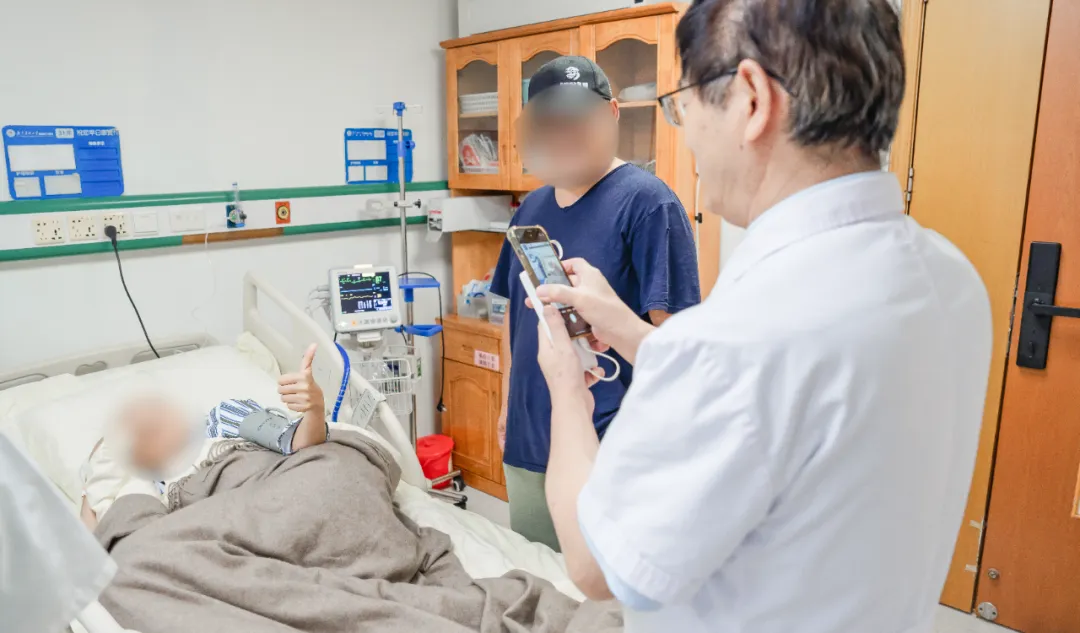
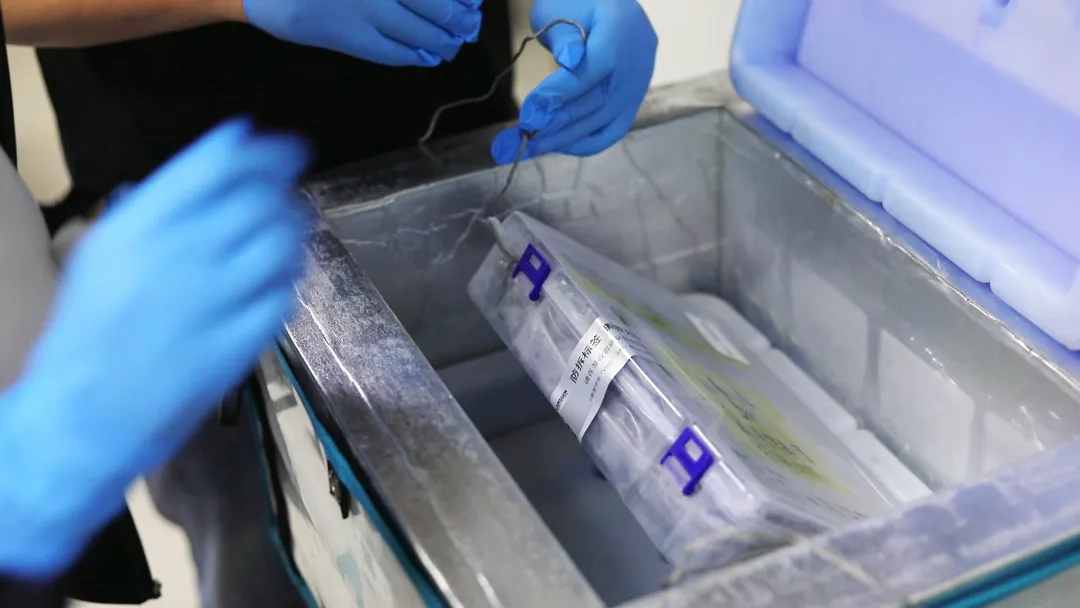
Foshan Chancheng Hospital, part of the Fosun Health network, has completed the Greater Bay Area's first T-cell collection for a gastric cancer patient on the treatment pathway of sattikecel injection (development code CT041) — the world's first approved CAR-T cell therapy for solid tumors.
Professor Chen Tao, Director of the hospital's International Medical Center, said the first collection marks the official launch of standardized clinical application of the world's first approved solid-tumor CAR-T product within Fosun Health, opening an entirely new treatment avenue for patients with advanced gastrointestinal cancers.
Filling the Gap in Solid-Tumor Treatment
Sattikecel (CT041) is the world's first approved CAR-T cell therapy for solid tumors. Its approval pushed CAR-T treatment beyond blood cancers into the solid-tumor field, bringing a new option for eligible patients with advanced gastric cancer and gastroesophageal junction adenocarcinoma. For patients, the value of an innovative therapy lies not only in the drug itself, but in whether they can access a standardized, continuous and safe treatment pathway at a qualified medical institution.
Foshan Chancheng Hospital is among the small group of institutions in China that have passed the rigorous evaluation and certification of the marketing authorization holder for standardized clinical use of the product. Completing the Bay Area's first gastric-cancer T-cell collection demonstrates not only the successful translation of this frontier therapy from qualification to clinical practice, but also the hospital's high-level capability in full-process solid-tumor CAR-T management, from cell collection onward.
A Cross-Border Patient's Journey to CAR-T
The patient had previously undergone FOLFOX chemotherapy in Mongolia, followed by seven rounds of chemotherapy and targeted therapy in South Korea — yet the disease continued to progress and symptoms did not improve. The patient then came to Foshan Chancheng Hospital within the Fosun Health network seeking care.
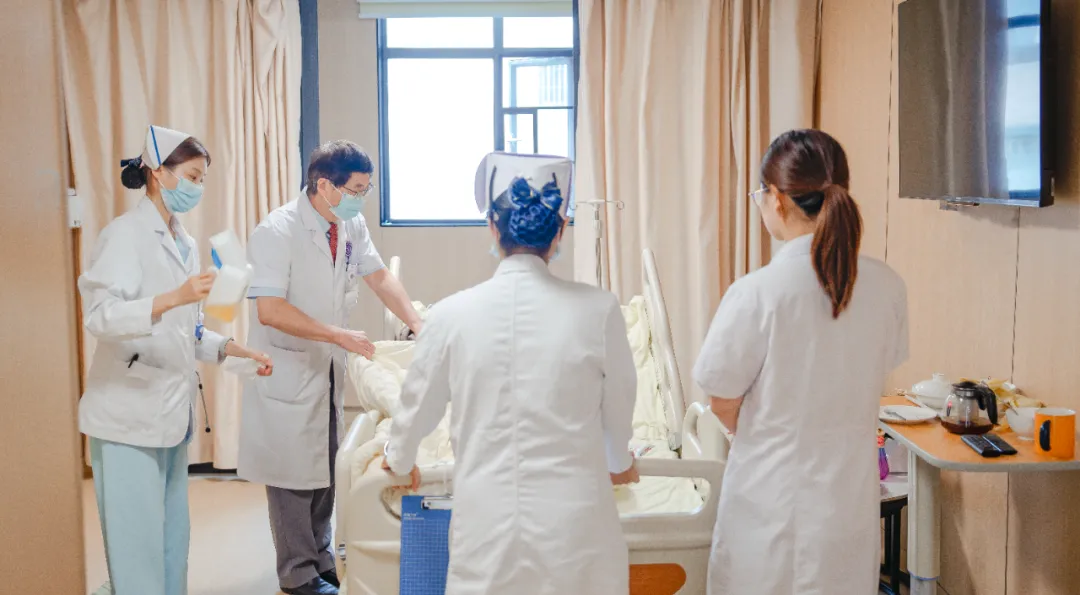
After a multidisciplinary team (MDT) assessment, the hospital designed a comprehensive plan combining chemotherapy and interventional treatment. Through this staged therapy, the patient's overall condition improved and ascites came under good control. On this foundation, and after thorough communication, the team seamlessly transitioned the patient onto the sattikecel (CT041) treatment pathway and completed the T-cell collection. The patient has now entered the subsequent stages of individualized cell manufacturing and treatment preparation.
Dedicated MDT and Full-Cycle Management
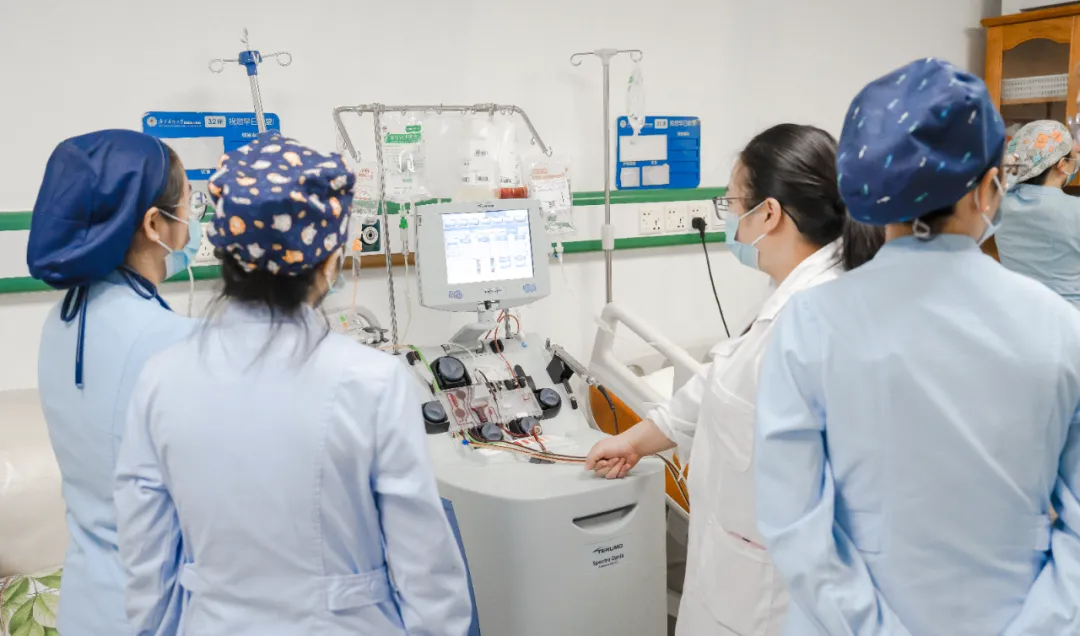
To support the entire CAR-T pathway, Fosun Health has established a full-cycle management model covering "enrollment assessment — cell collection and manufacturing coordination — pre-infusion preparation — early post-infusion monitoring — long-term follow-up."
The cell therapy team is co-led by two medical oncologists with postdoctoral experience at Harvard and dual Chinese–U.S. board certifications, joining forces with medical oncology, hemodialysis and intensive care to run a dedicated MDT consultation mechanism. The team's core strength is moving risk management forward: stratifying risks before treatment, monitoring dynamically and intervening promptly during treatment, and providing continuous follow-up and supportive care afterward — forming a closed loop from anticipation and management to recovery support.
From Technology Breakthrough to Clinical Access
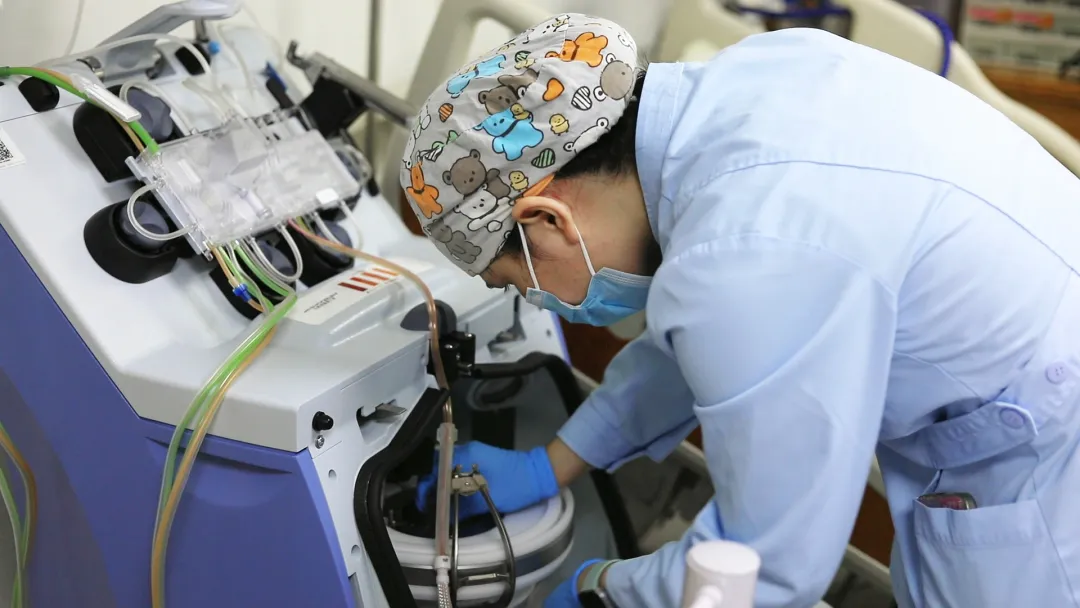
The completion of the Bay Area's first gastric-cancer T-cell collection means the world's leading solid-tumor CAR-T innovation is being converted into clinical service capability that patients can access, medical institutions can standardly deliver, and professional teams can manage end to end.
Building on this launch, the hospital's International Medical Center will continue to refine its professional cell-therapy system covering both hematologic and solid tumors, advancing China's original frontier therapies from technical breakthroughs toward standardized, accessible care — and building a trusted platform that connects global patients with China's advanced medical resources.